


To tell genuine leather from faux leather in a luxury bag, check five things: the grain, the cut edges, the smell, the way the surface creases, and the backing under the lining. Genuine leather has an uneven grain, fibrous edges and a soft, warm feel. Faux leather looks too even, has a fabric backing and feels cool and plastic.
Look at the grain and the surface
Genuine leather is a natural hide. Its grain shows small pores, faint lines and slight changes in texture from one panel to the next. Faux leather is printed or embossed by a machine, so the pattern repeats in a regular way. Hold the bag in daylight and compare two panels. If they match down to each pore, the surface is probably synthetic.
Press a fingertip into the leather. Genuine leather wrinkles softly around the pressure point and then relaxes. Faux leather tends to dent flat or keep a sharp fold.
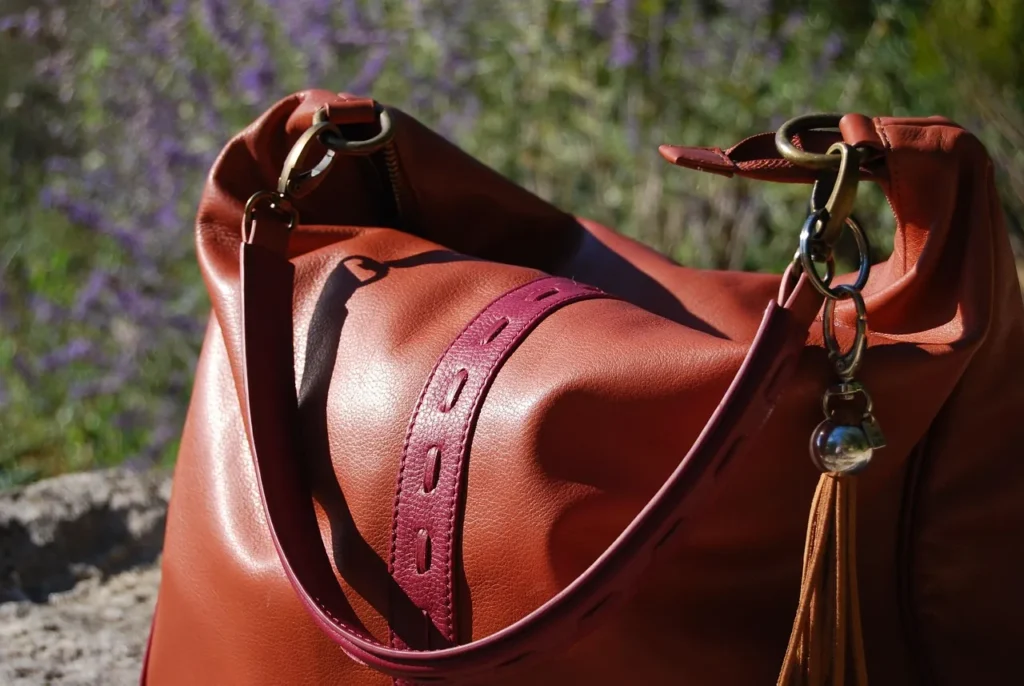
Check the edges, the smell and the backing
- Edges: Genuine leather edges show fibres, or they are painted and burnished smooth. Faux leather edges often show a thin layer of fabric mesh.
- Smell: Genuine leather has a rich, earthy smell. Faux leather smells of plastic or chemicals, especially when new.
- Backing: Look inside a pocket or along a seam. A woven fabric base under the surface is a sign of polyurethane or PVC.
- Temperature: Genuine leather warms quickly in your hand. Faux leather stays cool for longer.
Leather is one part of quality
A good bag needs more than a good hide. Check the stitching first. The stitches should be small, even and straight, with no loose threads at the corners. Then test the hardware. A clasp should close with a firm click, and a chain strap should feel heavy and smooth, with no sharp joins. Finally, open the bag and look at the lining. It should sit flat, with neat seams and no glue marks.
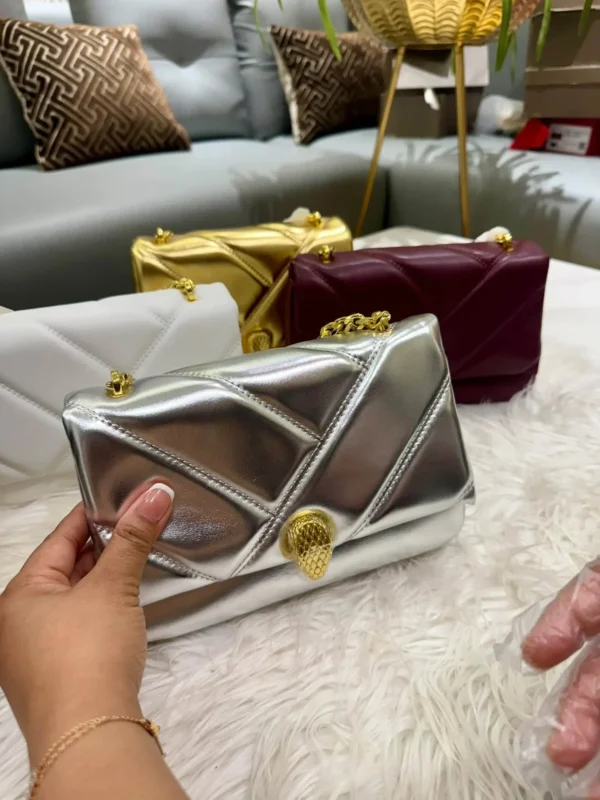
A quilted piece such as the Chevron Quilted Chain Bag in Tan is a useful test case. The quilting lines should stay even across the flap, and each chevron should meet the next one cleanly. On a structured flap bag like the Serpent-Clasp Chain Flap Bag in Black, look at how the flap lies against the body. It should close flat without pulling.
Is faux leather always the wrong choice?
No. Good faux leather is light and resists water. It suits a monsoon tote or a bag you carry through a crowded daily commute. Genuine leather ages better, softens with use and develops a rich patina over the years. Decide how you will use the bag first, then judge its build quality with the checks above.
For a wider checklist, read our guide on how to choose a premium ladies bag in Bangladesh, and see how AVÉNA describes its build quality on the AVÉNA Standard page. You can also compare finishes side by side in our shoulder bags range.
Questions
What is the quickest way to tell genuine leather from faux leather?
Look at a cut edge and at the backing. Genuine leather shows fibres or a burnished edge, while faux leather usually shows a fabric layer under the surface. The smell and the uneven grain confirm it.
Does a genuine leather bag need special care?
Yes. Keep it away from direct sun and damp cupboards, and wipe it with a soft dry cloth. Store it stuffed with tissue in a dust bag so it keeps its shape.
How do I get the price of an AVÉNA bag?
Tap “WhatsApp for price” on the product page. The message carries the product name and code, and AVÉNA replies with the price, available options and delivery details. You can also call 01346-069024.
The AVÉNA edit
Shop this guide
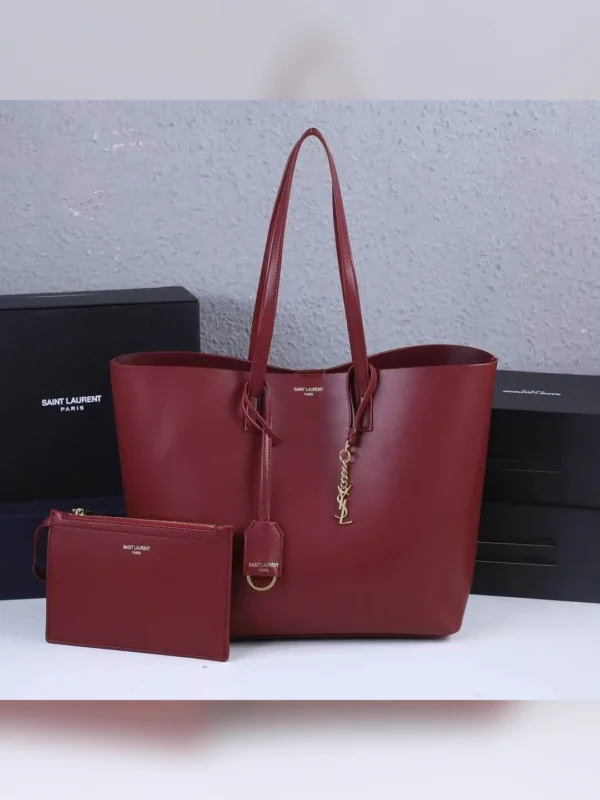
AVÉNA Shopper Tote with Pouch – Burgundy
Price on callWhatsApp for price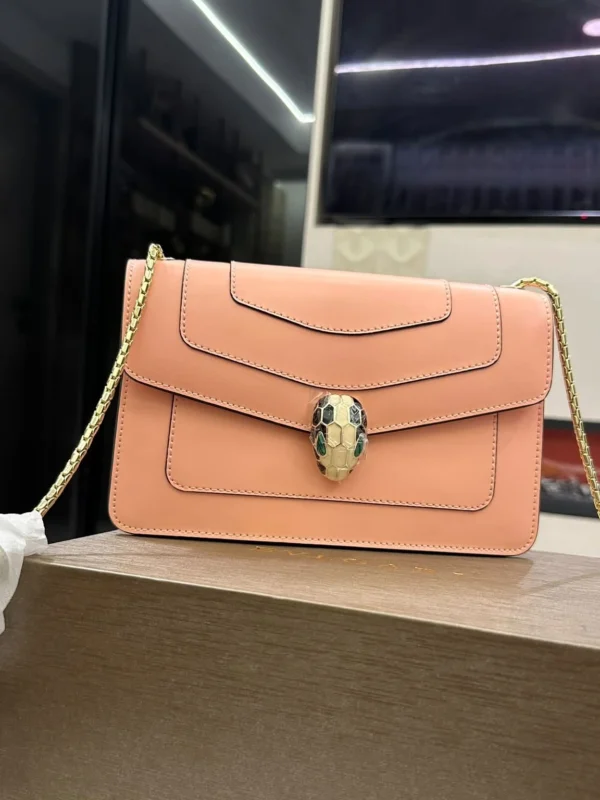
AVÉNA Serpent-Clasp Chain Flap Bag – Peach
Price on callWhatsApp for price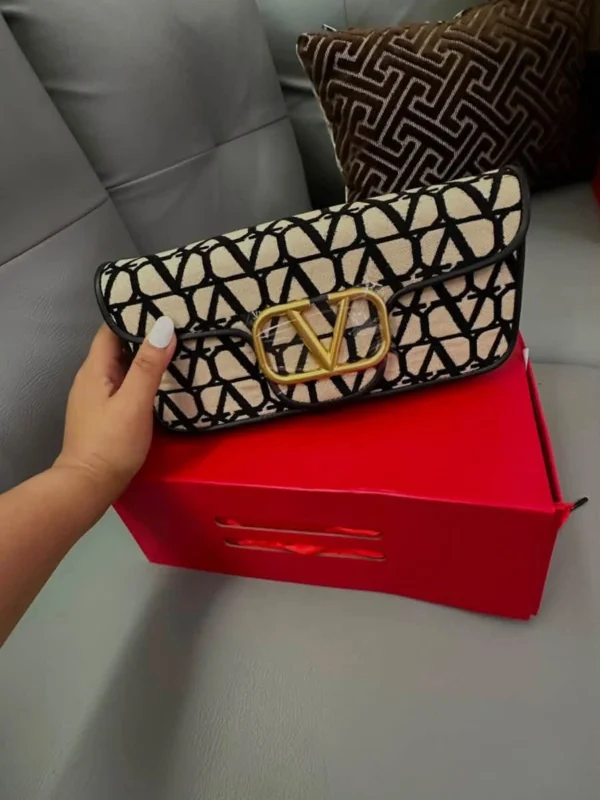
AVÉNA Monogram Canvas Chain Shoulder Bag – Beige
Price on callWhatsApp for price